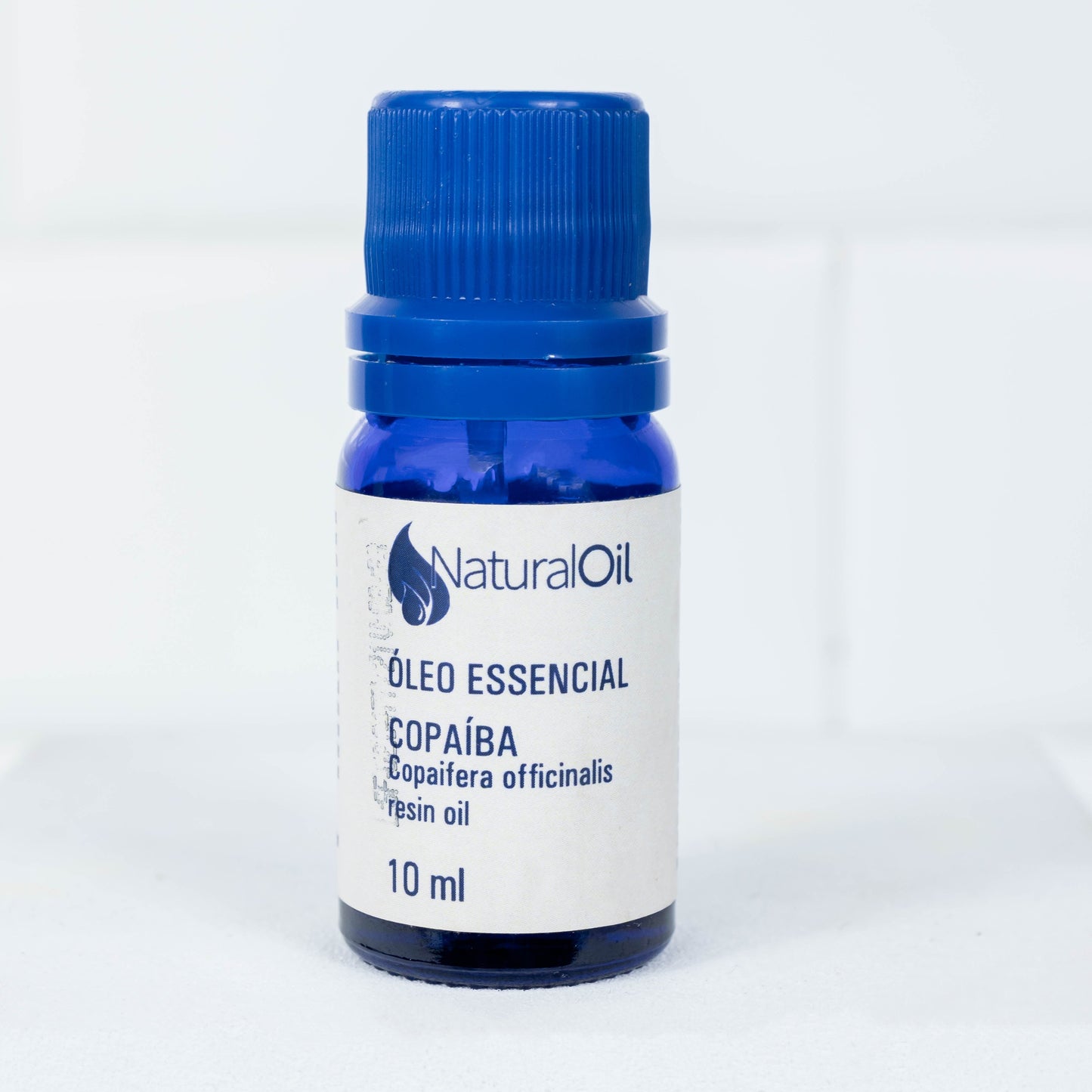


Copaiba Essential Oil
Copaiba Essential Oil
Couldn't load pickup availability
Copaiba Essential Oil - 10ml
Copaiba essential oil is obtained from the resin of trees native to Brazil and is highly valued in self-care routines, especially when you are after a feeling of comfort, balance and skin care. If you are wondering what copaiba essential oil is used for, it is widely used in aromatherapy practices and natural cosmetics for its woody, balsamic, dry and resinous aromatic profile, and it is also very versatile for topical use (always diluted).
Product information
- INCI: Copaifera Officinalis Resin Oil
- Origin: Brazil
- Extraction: Resin distillation
Aroma (olfactory profile)
A woody, balsamic aroma with a dry, elegant profile, great for anyone who prefers less sweet, more earthy fragrances.
What copaiba essential oil is used for:
Without promising any medical treatment, these are the most common and most requested uses of 100% pure copaiba oil in wellness routines:
-
Skin care (diluted topical use)
- Widely used in routines that aim for a more balanced looking skin, especially by people who want support with the look of oiliness, texture and everyday care.
-
Massage and body comfort (diluted use)
- A regular in massage blends for a comforting feel on areas that ask for extra care (post workout routines, long days, tension).
-
Scalp and hair routine (in cosmetics)
- Can be added to shampoo or hair masks (to the portion you are using) if you want a cleaner, more balanced scalp routine.
-
Aromatherapy and wellness rituals
- Even though it is best known for topical use, the aroma is also used to build a more grounded, welcoming space.
How to use copaiba essential oil
1) Topical use (always diluted in a carrier oil)
- Babies: 1 drop to 1 tablespoon (15ml) of carrier oil
- Children: 1 drop to 1 teaspoon (5ml) of carrier oil
- Adults: 3 to 6 drops to 1 teaspoon (5ml) of carrier oil
2) Electric diffuser (100ml)
- Add 5 drops for a pleasant, long lasting fragrance.
- Adjust it to the intensity you like.
3) Cosmetics and personal care
- Dilute 1 to 3 drops in 1 teaspoon (5ml) of carrier oil and massage in for a few minutes, or add it to the product of your choice (to the portion you are using).
- Hair: shampoo, conditioner, hair mask, styling cream, split end serum, scalp tonic
- Skin: liquid soap, after shower oil, body lotion, facial cleansing bar, facial moisturizer, foot creams
4) Compress
- Dilute about 8 drops (0.3ml) in 500 ml of water and use it as a compress.
5) Inhalation
- Place 1 drop in your hands, rub them together, cup them over your nose and breathe in for a few seconds.
6) Massage
- Dilute about 20 drops (0.5ml) in 1 tablespoon (15ml) of carrier oil or unscented cream.
Safety and care
- External use only. Do not ingest.
- Do a patch test before use.
- Avoid large amounts and continuous use for more than 28 days without a break.
- May cause skin irritation in sensitive people.
Storage
Keep it in a dark glass bottle, in a cool, dry place, and avoid transferring it to other containers so it holds on to its quality and aroma.
How to Use Essential Oils
How to Use Essential Oils
- How to use essential oils in a diffuser: add 3 to 5 drops to the water tank and switch it on, perfect for spreading aromas such as peppermint for a fresh, focused feel.
- For massage or bath: dilute 2 to 3 drops in a carrier oil (such as jojoba) and apply to the skin, 100% pure essential oils absorb quickly for a relaxing massage moment.
- Direct inhalation: put one drop on a tissue or personal inhaler for quick aromatherapy, ideal for invigorating aromas such as lemon while traveling or working.
- Safety tip: start with a patch test on the skin and avoid ingestion without professional guidance; go from soft florals to intense woody notes for everyday use.
Benefits of Essential Oils in Daily Aromatherapy
Benefits of Essential Oils in Daily Aromatherapy
- Pure essential oils lift your everyday routine: extracted from plants, they create moments of relaxation, focus and balance in a busy day.
- In aromatherapy, oils such as lavender (relaxing aroma) or eucalyptus (fresh and camphoraceous) create personalized experiences, ideal across every scent family, from florals to citrus.
- Used in a diffuser, natural oils scent the air without chemical additives, helping the whole family create a calmer atmosphere at home.
- Versatile at home or at the spa: use them in diffusers or massage for accessible aromatherapy that adapts to any mood.
Usage and Storage Tips
Usage and Storage Tips
- Store essential oils in a cool, dark and dry place: use amber glass bottles to protect them from light and heat, keeping natural oils such as tea tree or lavender at their best for up to 2 years.
- Always test before applying to the skin: dilute one drop in a carrier oil and leave it on your forearm for 24 hours, this patch test helps avoid irritation, especially with photosensitive citrus oils.
- Avoid direct contact with eyes, mucous membranes or sensitive skin: 100% pure essential oil is highly concentrated; rinse with a vegetable oil if contact occurs, and consult a doctor in the case of pregnancy, children or allergies.
- In aromatherapy, do not ingest without professional guidance: favor diffusion or diluted topical use for every scent family to reduce the risk of toxicity.
- Essential tip: check the expiry date and the purity wherever you buy essential oils, at Natural Oil our products carry clear guidance for responsible, long-lasting use.
Share