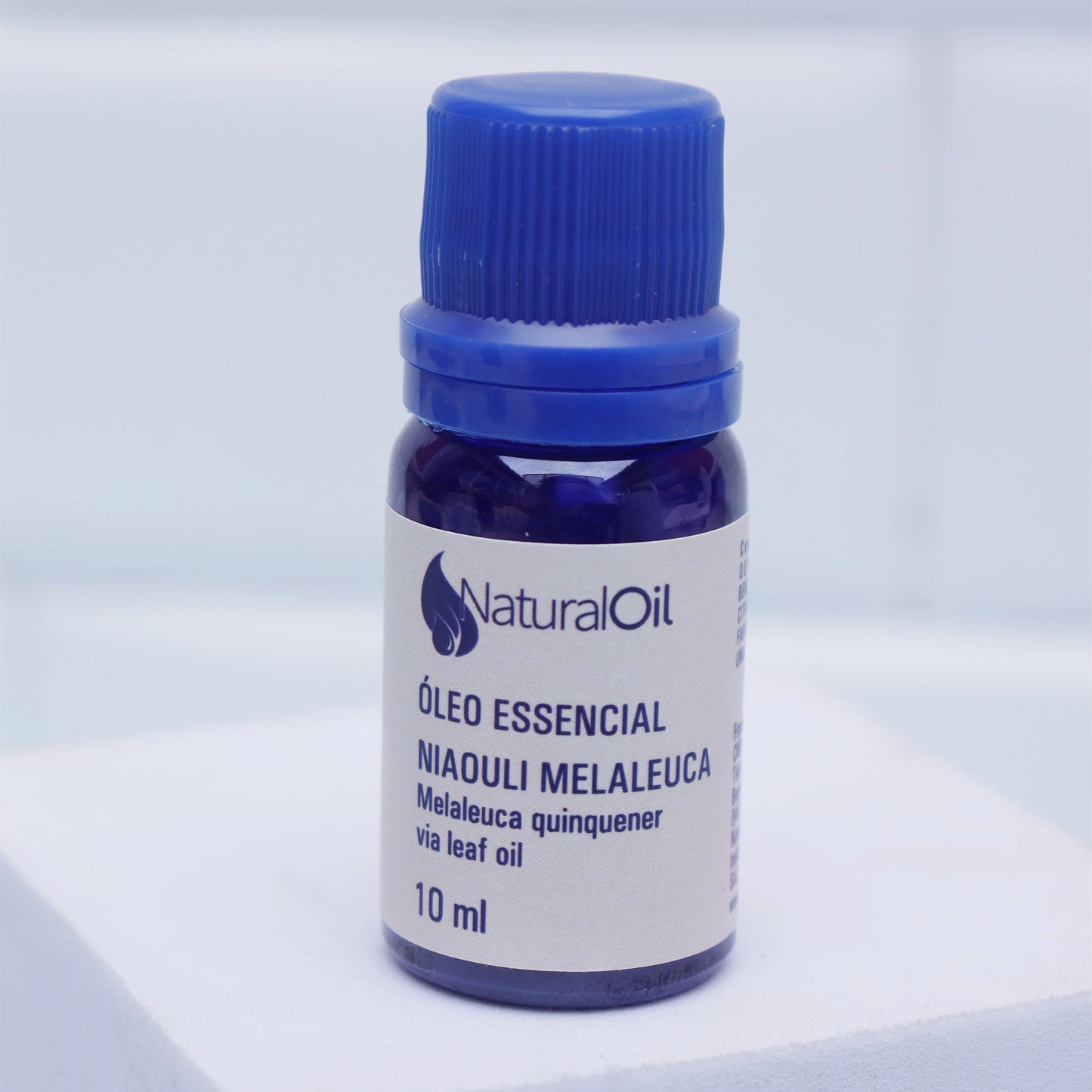


Niaouli Essential Oil (Melaleuca quinquenervia)
Niaouli Essential Oil (Melaleuca quinquenervia)
Couldn't load pickup availability
Niaouli Essential Oil (Melaleuca quinquenervia) - 10ml
INCI: Melaleuca Quinquenervia Oil
Origin: Madagascar
Extraction: Low pressure distillation of the leaves.
Characteristics
Niaouli essential oil stands out in aromatherapy for the following characteristics:
- Crisp, camphor-like aroma with a soft floral and peppery edge, traditionally used in purifying and refreshing aromatherapy rituals, in cosmetic blends for oily skin and scalp, in post-workout massage oils and to freshen the smell of rooms and fabrics. It is a distinct oil from tea tree (Melaleuca alternifolia), with a lighter and sweeter profile.
Ways to Use It
What is niaouli oil used for? This niaouli essential oil fits naturally into routines such as:
- Diffusion in an ultrasonic or electric diffuser for a fresh, clean-smelling space; a few drops diluted in a carrier oil for body and scalp massage; cosmetic blends for oily skin routines; a refreshing steam inhalation ritual; and homemade room and linen sprays. Always use it diluted and keep it away from the eye area.
Aroma
Niaouli essential oil has an aromatic, floral, peppery, cineole-rich and lightly herbaceous scent. It is a great pick if you are looking for a refreshing, no-nonsense aroma for aromatherapy and self-care routines.
Safety
Always check your individual sensitivity before using this 100% pure niaouli oil. Because essential oils are fat soluble (they can be absorbed through the skin), use them with care.
Note: It may irritate the skin; follow the guidance before applying pure oil to the skin; avoid large amounts and do not use it continuously for more than 28 days without a break.
Reminder
Always run a patch test on a small area of skin to see how it reacts before using the oil more widely.
How to Make It Last
To protect the quality and extend the shelf life of your niaouli essential oil:
- Keep the product in dark glass bottles, ideally without transferring it from the original bottle.
- Store it in a cool, dry place, away from direct light and heat sources.
How to Use Essential Oils
How to Use Essential Oils
- How to use essential oils in a diffuser: add 3 to 5 drops to the water tank and switch it on, perfect for spreading aromas such as peppermint for a fresh, focused feel.
- For massage or bath: dilute 2 to 3 drops in a carrier oil (such as jojoba) and apply to the skin, 100% pure essential oils absorb quickly for a relaxing massage moment.
- Direct inhalation: put one drop on a tissue or personal inhaler for quick aromatherapy, ideal for invigorating aromas such as lemon while traveling or working.
- Safety tip: start with a patch test on the skin and avoid ingestion without professional guidance; go from soft florals to intense woody notes for everyday use.
Benefits of Essential Oils in Daily Aromatherapy
Benefits of Essential Oils in Daily Aromatherapy
- Pure essential oils lift your everyday routine: extracted from plants, they create moments of relaxation, focus and balance in a busy day.
- In aromatherapy, oils such as lavender (relaxing aroma) or eucalyptus (fresh and camphoraceous) create personalized experiences, ideal across every scent family, from florals to citrus.
- Used in a diffuser, natural oils scent the air without chemical additives, helping the whole family create a calmer atmosphere at home.
- Versatile at home or at the spa: use them in diffusers or massage for accessible aromatherapy that adapts to any mood.
Usage and Storage Tips
Usage and Storage Tips
- Store essential oils in a cool, dark and dry place: use amber glass bottles to protect them from light and heat, keeping natural oils such as tea tree or lavender at their best for up to 2 years.
- Always test before applying to the skin: dilute one drop in a carrier oil and leave it on your forearm for 24 hours, this patch test helps avoid irritation, especially with photosensitive citrus oils.
- Avoid direct contact with eyes, mucous membranes or sensitive skin: 100% pure essential oil is highly concentrated; rinse with a vegetable oil if contact occurs, and consult a doctor in the case of pregnancy, children or allergies.
- In aromatherapy, do not ingest without professional guidance: favor diffusion or diluted topical use for every scent family to reduce the risk of toxicity.
- Essential tip: check the expiry date and the purity wherever you buy essential oils, at Natural Oil our products carry clear guidance for responsible, long-lasting use.
Share