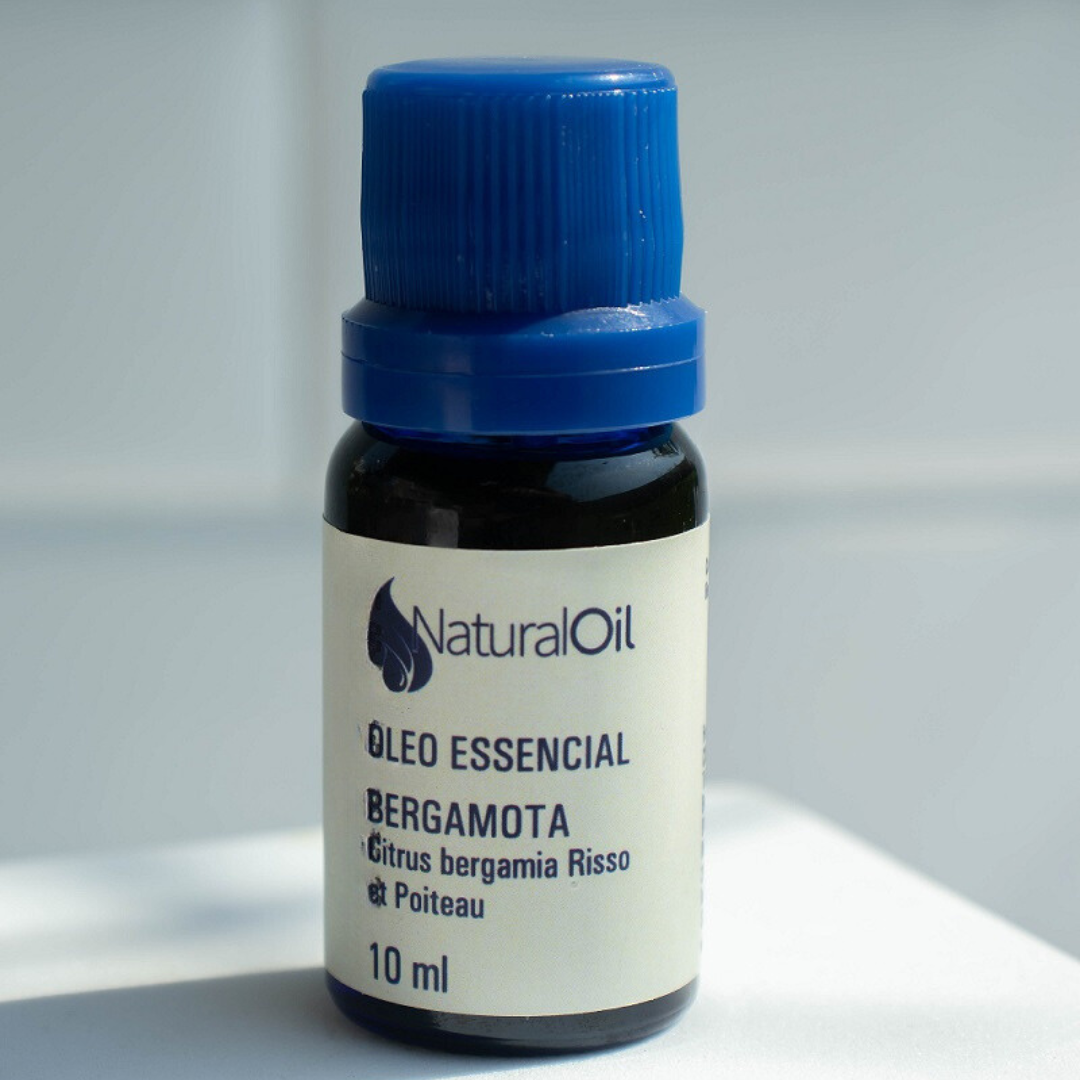


Bergamot Essential Oil
Bergamot Essential Oil
Couldn't load pickup availability
Bergamot Essential Oil - 10ml
Bergamot essential oil is obtained by cold pressing the peel and has a sweet, delicate citrus aroma, perfect for making a room feel lighter and more welcoming. In aromatherapy it is a favorite among people looking for relaxation, a sense of wellness and emotional balance, and it also shows up often in self-care routines aimed at a more even-looking complexion (always for external use and diluted).
Product information
- INCI: Citrus Bergamia
- Origin: Brazil
- Extraction: Cold pressed peel
Aroma (olfactory profile)
Citrus and lightly sweet, with a soft base, a cheerful, comforting fragrance that blends easily with lavender, geranium, orange and other citrus oils.
What bergamot essential oil is used for:
Without promising any medical treatment, these are the most common and most requested uses:
-
Relaxation and wellness (aromatic use)
- Helps create a lighter atmosphere, which makes it a popular pick for busy, restless, fast paced days.
-
Winding down (evening rituals)
- Used in a diffuser, it adds a comforting mood that suits the end of the day.
-
Skin care (topical use, always diluted)
- Widely used in cosmetic blends for oily skin and for a feeling of care and balance.
-
Hair routine (oily scalp)
- Can be added to shampoo or conditioner (to the portion you are using) when you want a clean, weightless feel.
How to use bergamot essential oil
1) Electric diffuser (100 ml)
- Pour in 100 ml of water and add 5 drops.
- Use more or fewer drops depending on the size of the room and how sensitive you are to the aroma.
2) Topical use (always diluted in a carrier oil)
- Babies: 1 drop in 1 tablespoon (15ml) of carrier oil
- Children: 1 drop in 1 teaspoon (5ml) of carrier oil
- Adults: 3 to 6 drops in 1 teaspoon (5ml) of carrier oil
3) Bath (soak)
- Dilute 0.5 ml of the oil in 1 tablespoon (15ml) of carrier oil (or honey or apple cider vinegar).
- Add 1 tablespoon of that mixture to a full bathtub.
4) Cosmetics and personal care
- Dilute 1 to 3 drops in 1 teaspoon (5ml) of carrier oil and massage in for a few minutes, or add it to the product of your choice.
- Hair: shampoo, conditioner, hair mask, leave-in, serum, scalp tonic
- Skin: liquid soap, after shower oil, body lotion, facial cleanser, facial moisturizer, foot cream
5) Compress
- About 8 drops (0.3ml) in 500ml of water.
6) Inhalation
- Place 1 drop in your hands, rub them together, cup them over your nose and breathe in for a few seconds.
7) Massage
- Dilute about 20 drops (0.5ml) in 1 tablespoon (15ml) of carrier oil or unscented cream.
Safety and care
- External use only. Do not ingest.
- May cause skin irritation in sensitive people, so do a patch test first.
- Avoid high amounts and continuous use for more than 28 days without a break.
- Photosensitivity: because it is a citrus oil, avoid sun exposure after applying it to the skin to reduce the risk of dark spots or discoloration.
- If you have any doubts (pregnancy, breastfeeding, small children, reactive skin), ask a professional for guidance.
Storage
Store it in dark glass, without transferring it to another container, in a cool, dry place, protected from light and heat.