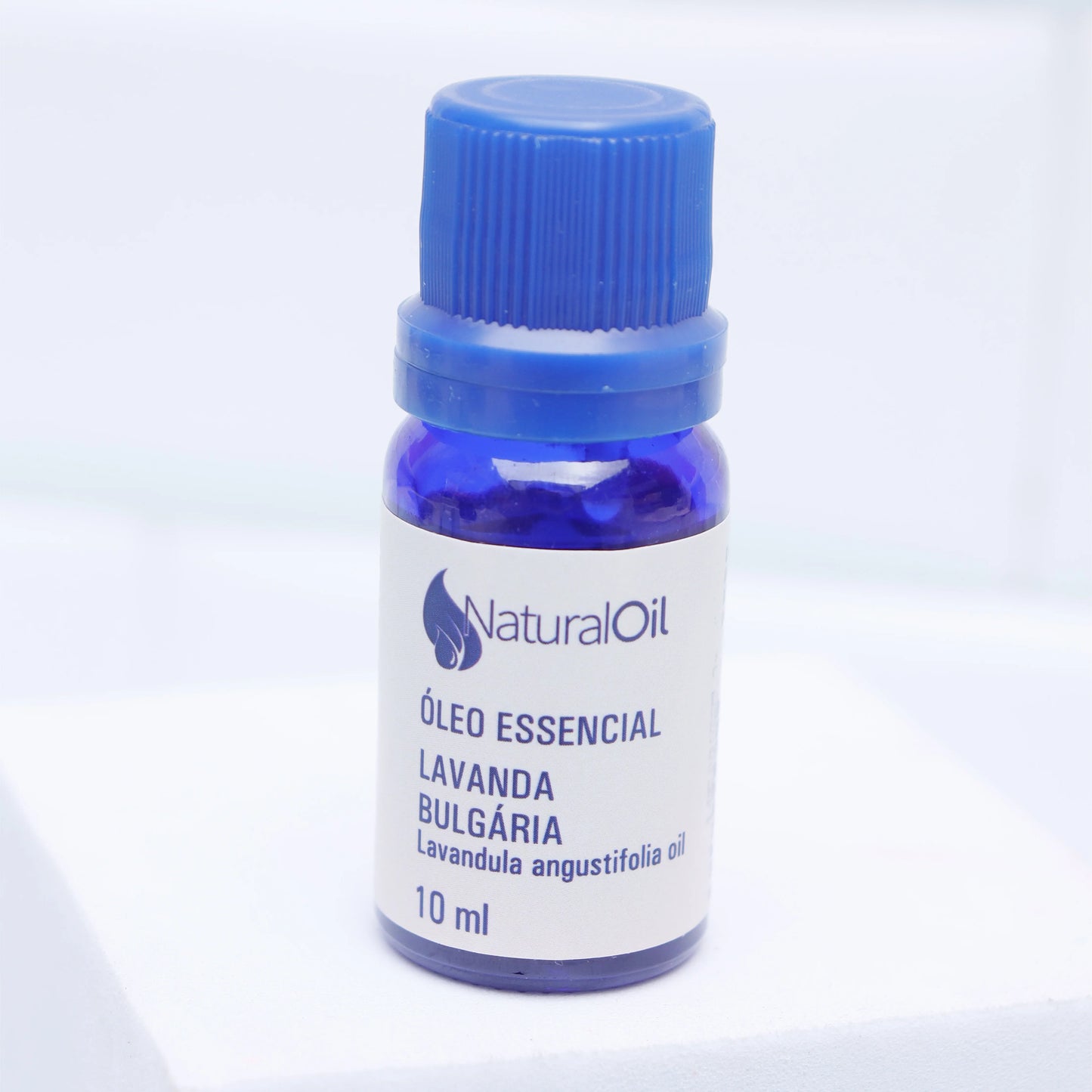


Bulgarian Lavender Essential Oil
Bulgarian Lavender Essential Oil
Couldn't load pickup availability
Bulgarian Lavender Essential Oil, 10ml
The Bulgarian Lavender Essential Oil is one of the most sought after lavenders for anyone who wants a soft, light and floral aroma, ideal for relaxation and wellness routines. Lavender is widely used in aromatherapy to help create a welcoming space that invites rest, balance and quiet, especially at the end of a busy day.
Because it is such a versatile oil, it has become a staple of evening rituals and self-care practices, where its aroma helps set a calm, comfortable mood at home.
Product details
- INCI: Lavandula Angustifolia Oil
- Origin: Bulgaria
- Extraction: Steam distillation of the flowers
Aroma (scent profile)
A delicate, lighter floral, clean and comforting, perfect for anyone who prefers a less intense lavender.
About Bulgarian Lavender
Our Bulgarian lavender is grown under very particular conditions in the foothills of the Balkan Mountains, in areas above 1,000 meters of altitude, where different varieties of the plant grow side by side, both cultivated and wild. That setting gives the oil a lighter aromatic profile that is very pleasant for everyday use.
It is usually more affordable than so called French lavender, mostly because of market factors, and it is still an excellent choice for anyone who wants quality plus frequent use.
Most popular uses of Bulgarian Lavender Essential Oil
In practical terms, these are the most common ways people use lavender essential oil:
-
Relaxation and unwinding (aromatherapy)
- Helps the room feel calmer and slower paced, a favorite at the end of the day.
-
Lavender essential oil for evening rituals
- Widely used in nighttime routines to bring a quiet atmosphere to the bedroom before rest.
-
Moments of pause (aromatic use)
- If you are looking for how to use lavender essential oil during a break, diffusion and inhalation are the simplest and most controllable options.
-
Skin care (topical use, always diluted)
- Used in self-care routines for a feeling of comfort and softness, especially when skin asks for gentle care.
-
Hair and scalp (use in cosmetics)
- Can be added to shampoo, hair masks and tonics, always respecting dilution rates and skin sensitivity.
How to use lavender essential oil in your evening routine
If you want to bring lavender essential oil into your nighttime routine, these options work well in practice:
-
Diffuser (room)
- In an electric diffuser (100 ml reservoir), add 5 drops.
- Adjust to the size of the room and your own preference.
-
Quick inhalation (no diffuser)
- Add 1 drop to your hands, rub them together and cup them over your nose to breathe in for a few seconds.
-
Diluted topical ritual (before bed)
- Dilute in a carrier oil and apply to a small area, avoiding the face and eyes, keeping it comfortable and never in excess.
How to use lavender essential oil for a moment of pause (aromatic use)
How do you work lavender essential oil into a moment of pause? The simplest and safest route is aromatic use:
- Diffuser: 3 to 5 drops while resting, reading or doing guided breathing.
- Inhalation: 1 drop, then slow breathing for a few cycles.
Where and how to use it
1) Topical use (always diluted)
- Babies: 1 drop in 1 tablespoon (15 ml) of carrier oil
- Children: 1 drop in 1 teaspoon (5 ml) of carrier oil
- Adults: 3 to 6 drops in 1 teaspoon (5 ml) of carrier oil
2) Cosmetics and personal care
- Hair: shampoo, conditioner, hair mask, leave-in cream, split end serum, scalp tonic
- Skin: liquid soap, after-shower oil, body moisturizer, facial cleanser, facial moisturizer, foot creams
Important: do not add essential oils to sunscreen and do not apply around the eyes.
3) Compresses
- About 8 drops in 500 ml of water.
4) Massage
- Dilute about 20 drops in 1 tablespoon (15 ml) of carrier oil or unscented cream.
Safety and care
- External use only. Do not ingest.
- May cause dermatitis in sensitive people: run a patch test first.
- Avoid high doses and do not use continuously for long stretches without breaks.
- If you have sensitive skin, the rule is simple: always dilute.
Storage
Store in dark glass, in a cool, dry place, and avoid transferring the oil to another container so it keeps its quality and aroma.